Hardware Durostech: A Complete Guide to Durable and Reliable Hardware Systems
Published: 19 Feb 2026
In today’s digital world, software often gets the spotlight, but it is hardware that quietly carries the real workload. Every application, file, and process depends on physical components working reliably behind the scenes. When people search for hardware durostech, they are usually looking for strong, long-lasting systems built for stability, endurance, and consistent performance.
This guide explains the concept in a clear and practical way. It covers what hardware is, why durability matters, how reliable systems are built, how to maintain them, and where durable hardware is heading in the future.
What Is Hardware in Technology?
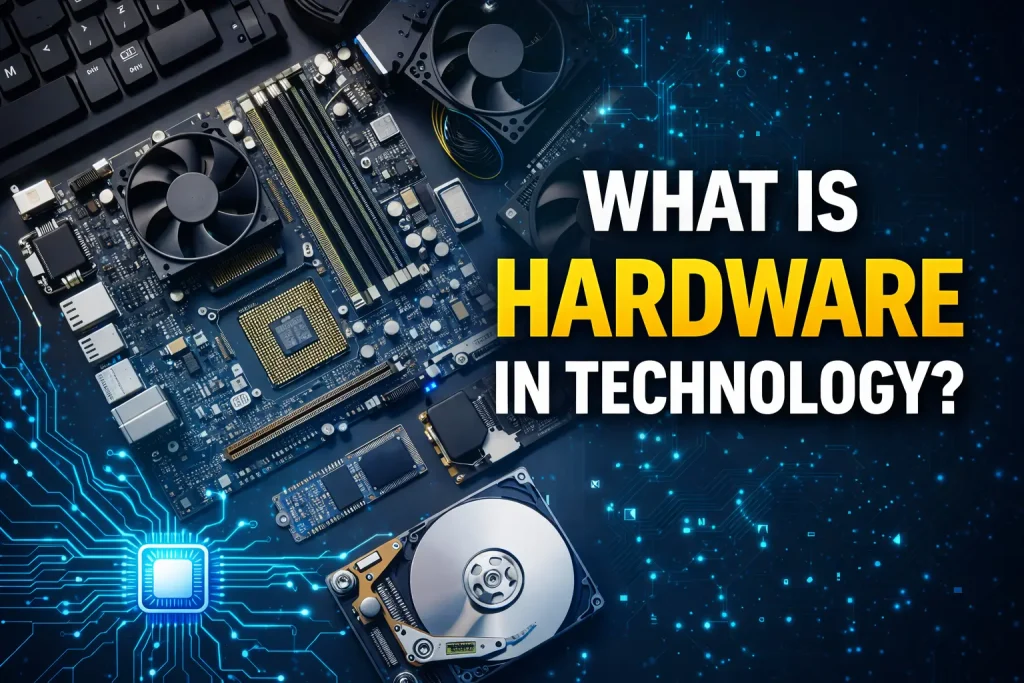
Hardware refers to the physical components of a computer or electronic system that you can see and touch. These parts work together to process data, store information, and support software operations.
Common hardware components include:
- Central processing units (CPUs)
- Memory modules (RAM)
- Storage devices
- Motherboards
- Power supply units
- Cooling systems
- Input and output devices
Without hardware, software cannot function. Strong hardware creates smooth, reliable systems, while weak hardware often leads to slow performance, crashes, or total system failure.
Understanding the Concept of Hardware Durostech

Hardware Durostech focuses on durability, reliability, and long-term stability. It represents hardware systems designed to operate consistently over long periods, even under demanding workloads or harsh conditions.
Instead of prioritising short-term speed or visual design, durable hardware emphasises:
- Consistent performance
- Resistance to heat and stress
- Long service life
- Minimal failure rates
In simple terms, Hardware Durability highlights systems that are built to last, not just perform well on day one.
Why Hardware Durability Matters

Durable hardware is essential for maintaining productivity, protecting data, and reducing downtime. Poor-quality components are more likely to overheat, fail, or cause system instability.
Reliable hardware offers several key benefits:
- Stable performance over time
- Reduced downtime and disruptions
- Lower risk of data loss or corruption
- Fewer repairs and replacements
- Better long-term cost efficiency
In environments where systems must remain operational—such as offices, data centers, or industrial settings—hardware durability is not optional. It is critical.
Core Components of Reliable Hardware Systems

Durable systems depend on the quality and balance of their components. Each part plays a specific role in overall system stability.
Central Processing Unit (CPU)
The CPU handles calculations and instructions. A reliable processor ensures smooth task execution without overheating or performance drops under load.
Motherboard
The motherboard connects all components. High-quality boards improve system stability and reduce compatibility or communication issues.
Memory (RAM)
Sufficient and reliable memory allows smooth multitasking and prevents slowdowns during demanding operations.
Storage Devices
Storage keeps data safe and accessible. Reliable storage reduces the risk of data loss and improves system responsiveness.
Power Supply Unit (PSU)
A stable power supply protects components from voltage fluctuations and electrical damage.
Cooling Systems
Effective cooling prevents overheating, maintains performance, and extends hardware lifespan.
Types of Hardware Systems by Usage

Different environments require different levels of durability.
Personal Systems
Designed for everyday tasks like browsing, studying, and office work. They focus on efficiency and balanced performance.
Professional Systems
Used for tasks such as content creation, engineering, and data processing. These systems require stronger components and better cooling.
Enterprise Systems
Built for servers, networks, and organizational operations. Reliability and uptime are top priorities.
Industrial Systems
Designed for harsh environments involving heat, dust, vibration, and continuous operation. Hardware durability is most critical here.
Performance Stability Through System Balance
A system’s performance depends on how well its components work together. One powerful part cannot compensate for weaknesses elsewhere.
For example:
- A fast CPU with limited memory can still feel slow
- High-speed storage without proper cooling may throttle performance
Balanced hardware ensures consistent speed, stability, and reliability over time.
Common Hardware Challenges

Even durable systems can face issues if neglected. Common challenges include:
- Overheating from dust buildup or poor airflow
- Power instability is damaging sensitive components
- Wear and tear of mechanical parts
- Compatibility problems between components
Regular monitoring and maintenance significantly reduce these risks.
Best Practices for Hardware Maintenance
Proper maintenance greatly extends hardware lifespan and reliability.
Regular Cleaning
Removing dust improves airflow and prevents overheating.
Temperature Monitoring
Tracking system temperatures helps identify problems early.
Stable Power Management
Using quality power sources protects components from electrical damage.
Timely Component Replacement
Replacing aging storage drives or power units prevents unexpected failures.
Consistent care supports long-term performance and system stability.
Hardware Security and Physical Protection
Security is not only about software. Hardware also plays a vital role in protecting systems and data.
Physical protection, controlled access, and secure startup processes help prevent unauthorized use and damage. Reliable hardware forms the foundation of a secure system.
Upgrading vs Replacing Hardware
Knowing when to upgrade and when to replace hardware saves time and money.
- Upgrade when performance issues are minor and components remain compatible.
- Replace when systems are outdated, unreliable, or unable to support modern requirements.
Making the right choice ensures efficiency and long-term value.
Environmental Responsibility in Hardware Use
Hardware production and disposal affect the environment. Responsible practices include:
- Recycling old components
- Avoiding unnecessary replacements
- Choosing energy-efficient systems
Sustainable hardware usage benefits both users and the planet.
Future Trends in Durable Hardware
Hardware technology continues to evolve. Future developments focus on:
- Smaller yet more powerful components
- Energy-efficient designs
- Hardware optimized for intelligent workloads
- Advanced cooling technologies
- Modular systems for easier upgrades
These innovations aim to improve durability, performance, and efficiency simultaneously.
Conclusion
Hardware is the backbone of modern technology. Understanding hardware durostech highlights why durability, balance, and reliability are essential for long-term system performance.
From processors and storage to cooling and power delivery, every component contributes to system stability. With proper maintenance, thoughtful upgrades, and responsible usage, durable hardware systems can deliver dependable performance for many years.
As technology continues to advance, reliable hardware will remain a key pillar of digital infrastructure.
Frequently Asked Questions
It refers to durable and reliable hardware systems designed for long-term stability and consistent performance.
Durable hardware reduces downtime, improves reliability, and lowers long-term costs.
Regular cleaning, proper cooling, stable power supply, and timely upgrades help extend lifespan.
Upgrading works for minor improvements, while replacement is better for outdated or failing systems.
Overheating and power instability are among the most common causes.


- Be Respectful
- Stay Relevant
- Stay Positive
- True Feedback
- Encourage Discussion
- Avoid Spamming
- No Fake News
- Don't Copy-Paste
- No Personal Attacks
- Be Respectful
- Stay Relevant
- Stay Positive
- True Feedback
- Encourage Discussion
- Avoid Spamming
- No Fake News
- Don't Copy-Paste
- No Personal Attacks
